Previous page
Article
Eating Sea Botanicals
Sea Plants in Korean Culinary Culture
When people think about Korean cuisine, kimchi, grilled meats, and spicy stews usually come to mind first. Yet one of the oldest and most important elements of the Korean diet has always been sea botanicals - edible seaweeds and marine plants harvested from the coastal waters surrounding the Korean Peninsula. Their role in Korean culture extends far beyond cooking. They are deeply connected to tradition, local economies, folk medicine, and modern ideas about healthy eating.
Today, South Korea is one of the world’s leading producers and exporters of edible seaweed, and Koreans consume more marine plants per capita than almost any other nation. What is often treated as a niche “superfood” in the West remains an everyday ingredient in Korean homes.
The Sea as a Pantry
Hand-picked by the tide
For centuries, Korea’s southern coastline provided communities with a rich and reliable source of food. Unlike many Western cultures, where seaweed was historically used mostly as fertilizer or animal feed, Koreans developed sophisticated culinary traditions around marine plants. Historical records from the Joseon Dynasty already mention the harvesting and cultivation of edible algae, while the farming of gim, Korean nori, dates back several hundred years. Today, Korean cuisine primarily relies on three major categories of edible seaweed: Gim (김) - thin roasted sheets of red algae, internationally known as nori Miyeok (미역) - wakame seaweed, commonly used in soups Dasima (다시마) - kelp used mainly for broths and stocks Each carries its own cultural significance. Gim is an everyday staple and snack, miyeok symbolizes birth and motherhood, while dasima forms the umami-rich foundation of countless Korean dishes.
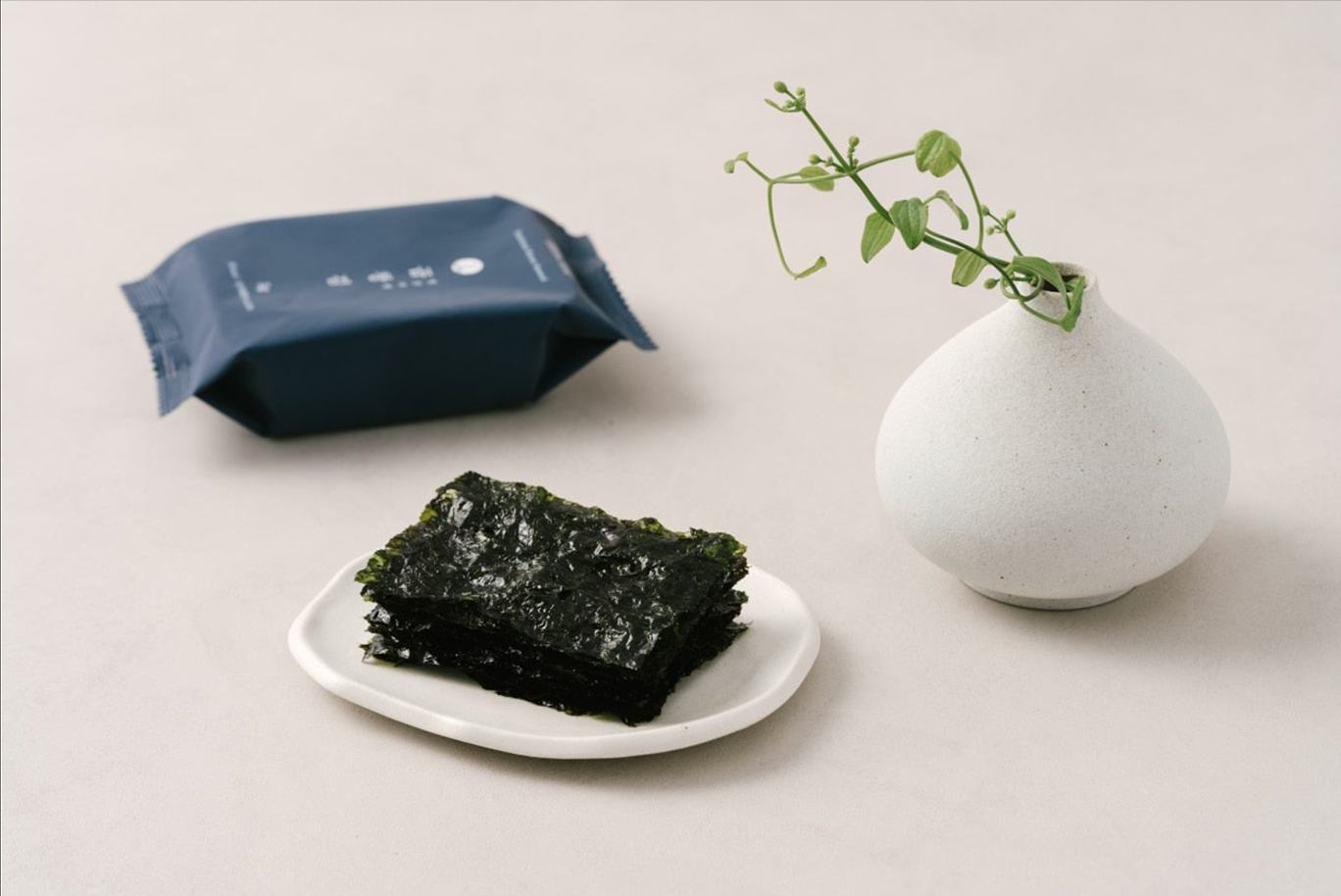
Nori – Korea’s Global Seaweed Treasure
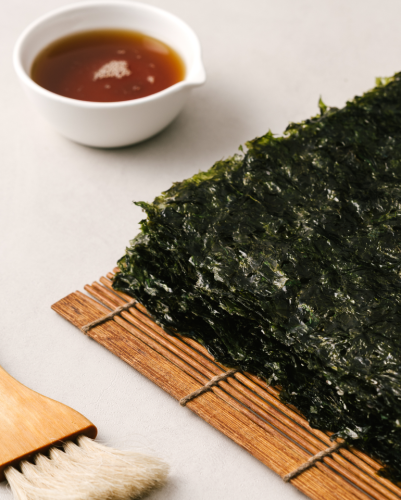
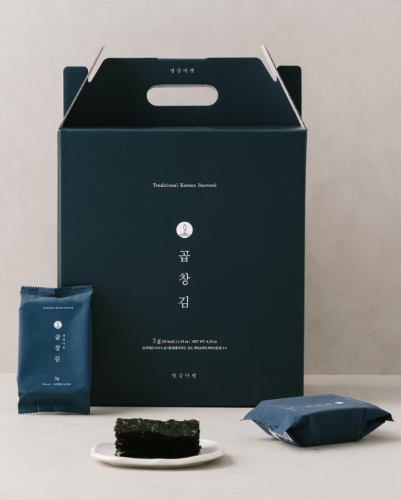
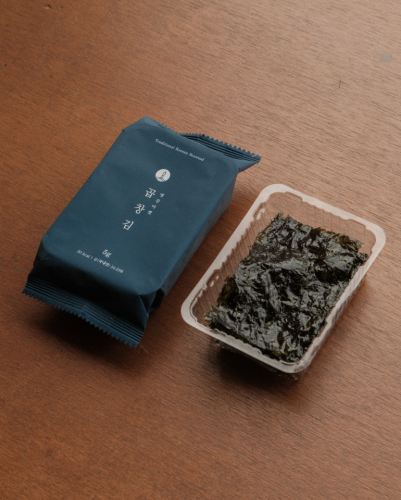
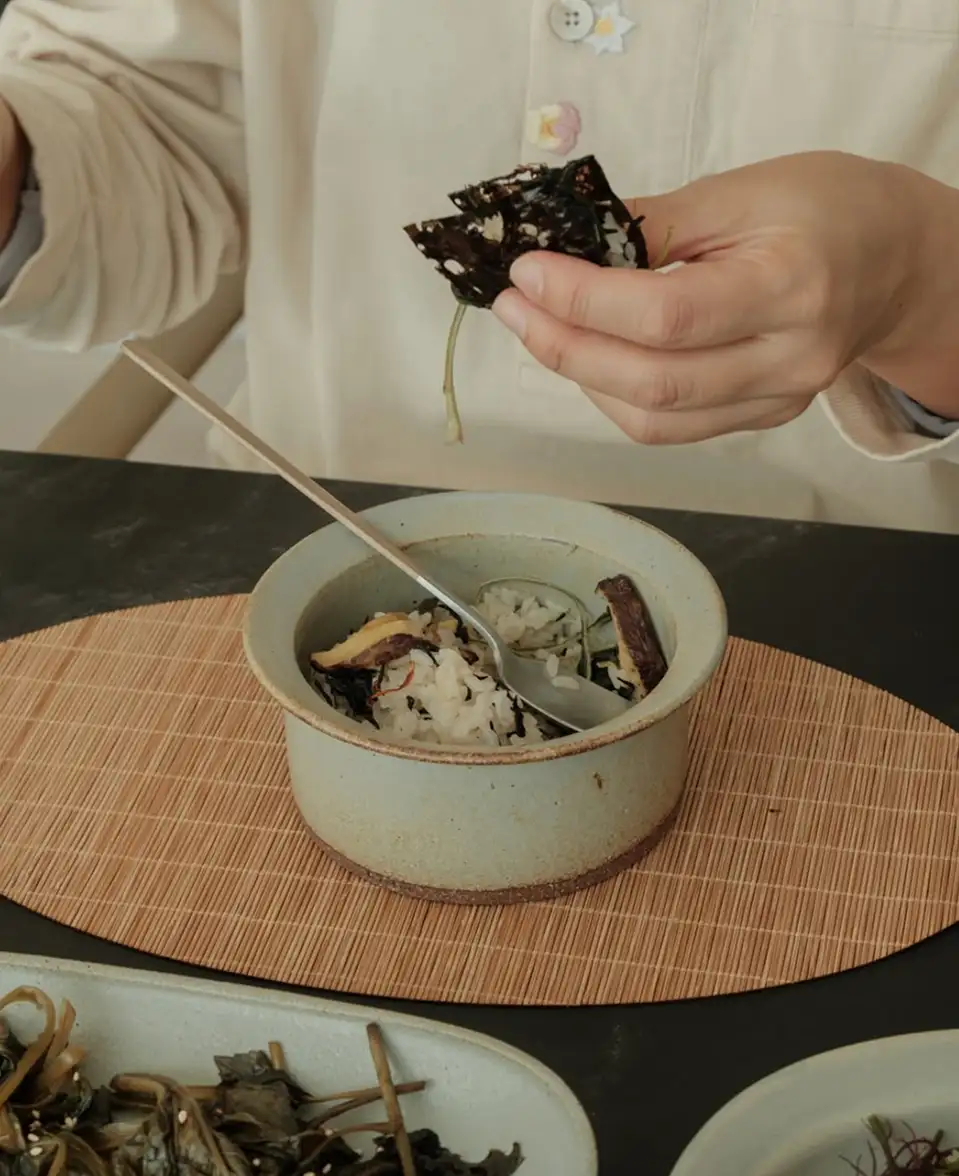
Among all Korean sea botanicals, gim - Korean nori - has become the country’s best-known international product. Made from species of red algae belonging to the Pyropia family, it is far more versatile in Korea than its global association with sushi might suggest. In Korean households, roasted gim is served with rice, crumbled over noodles, added to soups, or eaten straight from the package as a snack. Seasoned seaweed sheets brushed with sesame oil and lightly salted are especially popular. South Korea has become one of the world’s largest exporters of nori products. The quality of Korean gim is closely tied to environmental conditions: cold winter waters, mineral-rich coastal currents, and generations of expertise among local seaweed farmers create exceptionally delicate and flavorful sheets.
Choose which cookies you allow. Strictly necessary cookies are always on.
Needed for the site to work — cart, checkout and security. Always active.
Helps us understand how the store is used (Google Analytics, Microsoft Clarity).
Used to measure and personalise advertising (Google Ads, Microsoft Ads).